


How Does a Caulking Gun Designed for Cartridges Improve Sealing Accuracy?
Release Time : 2026-05-06
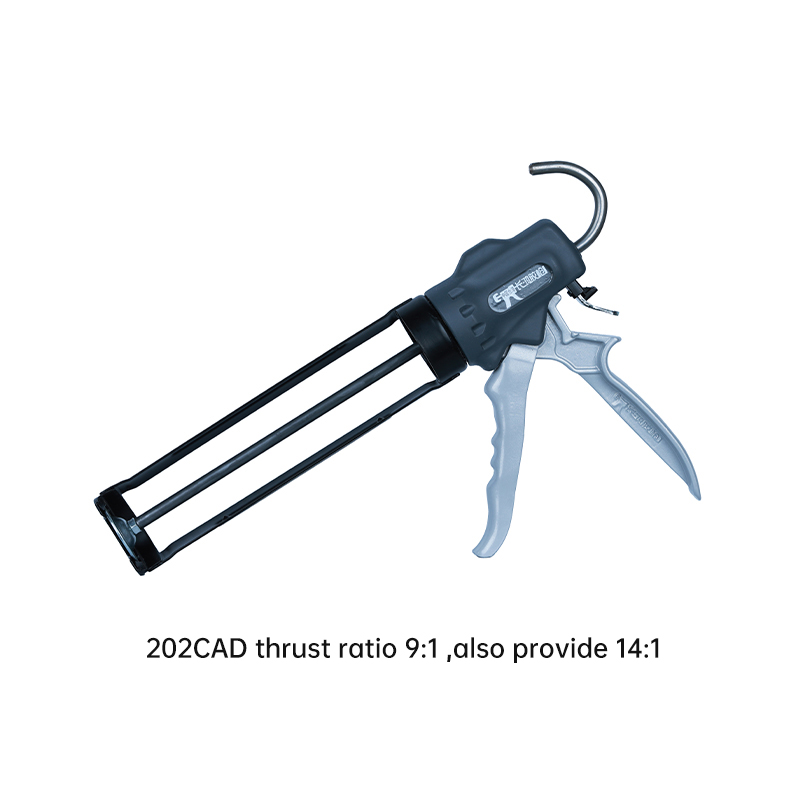
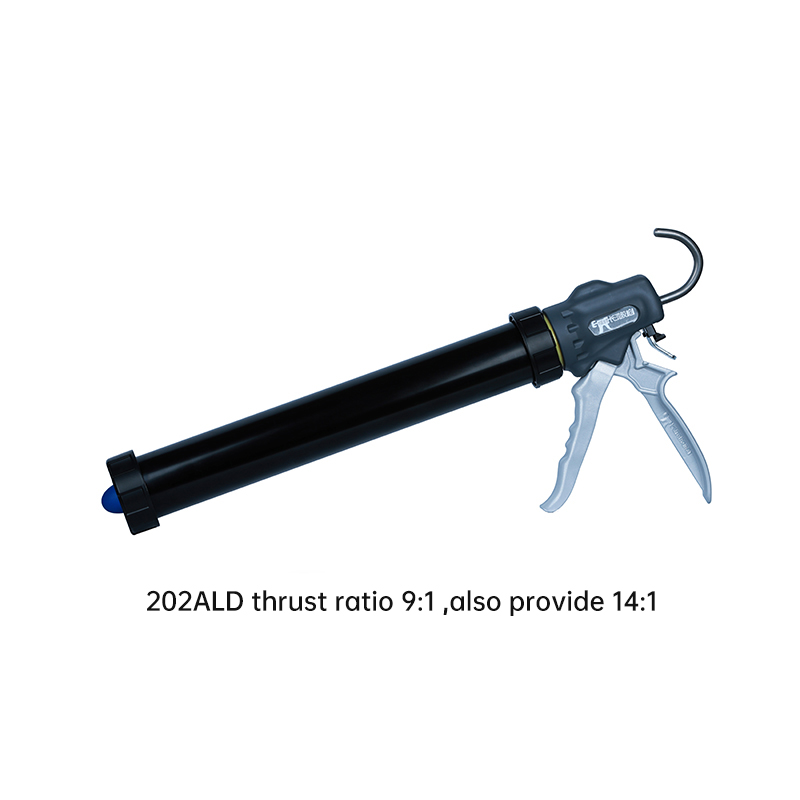
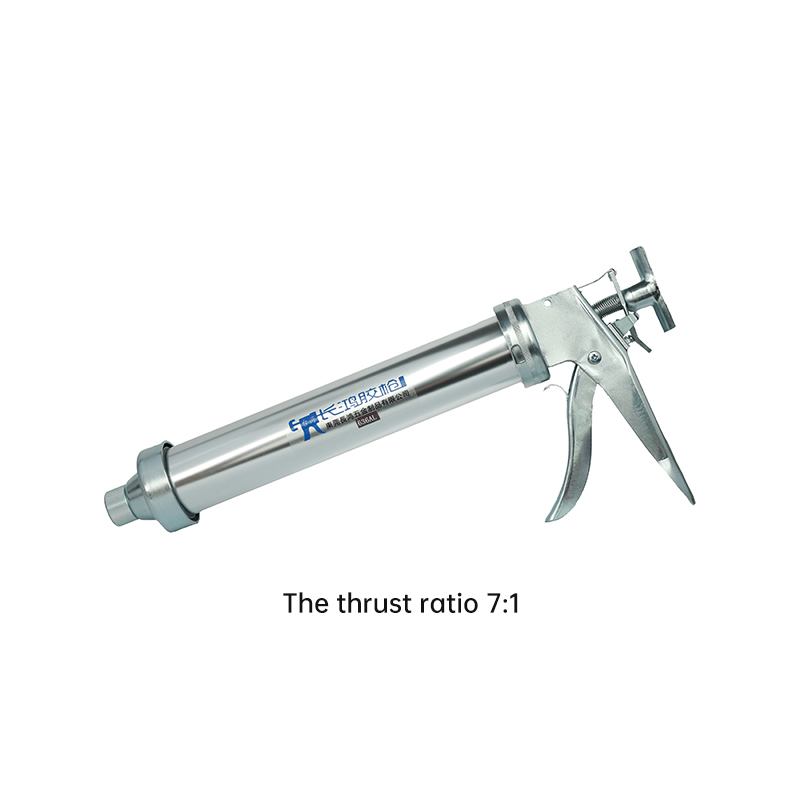
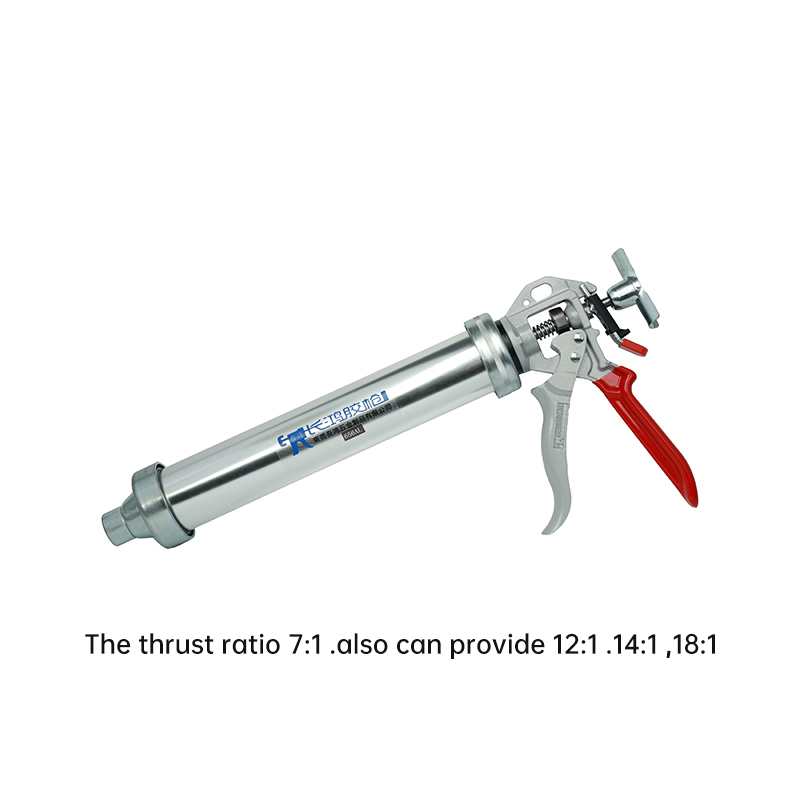
In the realm of home improvement, construction, and industrial maintenance, the application of sealants is a task that demands both precision and consistency. Whether sealing a gap in a bathroom tile to prevent water damage or applying adhesive to a structural component, the quality of the application determines the longevity and effectiveness of the repair. While the sealant material itself is crucial, the tool used to apply it—the caulking gun—is the true arbiter of success. A caulking gun specifically designed for cartridge use is not merely a dispenser; it is a precision instrument engineered to transform a viscous, often unruly substance into a controlled, accurate stream. By addressing the mechanics of pressure, flow, and ergonomics, these tools significantly enhance sealing accuracy, turning a potentially messy chore into a professional-grade finish.
The primary way a cartridge-based caulking gun improves accuracy is through the standardization of material delivery. Unlike bulk application methods where sealant is scooped or troweled, cartridges provide a sealed, uniform environment for the material. The design of the gun interacts with the cartridge's internal plunger to create a direct, linear transfer of force. This mechanical advantage allows the user to dictate exactly how much material is dispensed with a simple squeeze of the handle. In high-precision tasks, such as sealing narrow joints in automotive glass or intricate trim work, this control is paramount. The gun eliminates the guesswork, ensuring that the bead of sealant matches the width of the gap perfectly, preventing both under-filling, which leads to leaks, and over-filling, which creates unsightly mess and waste.
Furthermore, the internal mechanics of a high-quality caulking gun play a pivotal role in maintaining a consistent flow rate. Cheaper or ill-fitting tools often suffer from "slippage" or uneven thrust, causing the sealant to surge out in globs and then stop abruptly. A well-designed cartridge gun utilizes a robust ratchet or smooth-rod mechanism that maintains constant pressure on the plunger. This consistency is essential for laying down a continuous bead without breaks or air pockets. When a sealant line is broken, it creates a weak point where moisture and air can penetrate. By ensuring a smooth, uninterrupted extrusion, the tool guarantees that the seal remains hermetic and structurally sound along its entire length.
Another critical aspect of accuracy is the management of "drip" or "ooze." One of the most frustrating aspects of using sealants is that the material often continues to flow even after the user stops applying pressure, due to the internal pressure of the cartridge. Advanced caulking guns designed for cartridges often feature a "drip-free" release mechanism. This feature slightly retracts the rod when the handle is released, instantly relieving the pressure on the cartridge plunger. This immediate cessation of flow allows the user to stop the bead exactly at the corner or edge of a surface without leaving a messy tail. This level of control is what distinguishes a professional finish from an amateur one, allowing for sharp, clean lines that require minimal cleanup.
The physical design of the gun also contributes to accuracy through ergonomics and reach. Cartridge guns are engineered to fit the human hand, with handles that provide leverage and reduce fatigue. When a user's hand is tired, their grip loosens, and their control wavers, leading to shaky lines and uneven application. By reducing the physical effort required to dispense high-viscosity materials, the tool allows the user to maintain a steady hand throughout the entire project. Additionally, the long, narrow nozzle design typical of these guns allows access to tight, recessed areas—such as the back of a sink or deep window frames—where a trowel or putty knife simply cannot reach. This accessibility ensures that sealant is placed exactly where it is needed, rather than being smeared on from the outside.
Material compatibility is another factor where cartridge guns excel. Different sealants, from silicone to polyurethane, have different flow characteristics. Cartridge systems are designed to handle these variances by providing a rigid barrel that supports the cartridge walls, preventing them from bursting under high pressure. This containment ensures that all the force applied by the user is directed toward pushing the material out of the nozzle, rather than deforming the packaging. This efficiency translates to better control over the speed of application, allowing the user to move the gun at a pace that matches the curing time of the chemical, further enhancing the precision of the joint.
In conclusion, a caulking gun designed for cartridge use is an essential tool for anyone seeking accuracy in sealing applications. It transforms the chaotic nature of liquid sealants into a controlled, predictable process. Through mechanisms that ensure consistent pressure, prevent dripping, and provide ergonomic stability, the tool empowers the user to create seals that are not only functional but also aesthetically pleasing. In a world where the margin for error in construction and repair is slim, the precision offered by a cartridge-based caulking gun is not just a convenience—it is a necessity for achieving a lasting, professional result.
The primary way a cartridge-based caulking gun improves accuracy is through the standardization of material delivery. Unlike bulk application methods where sealant is scooped or troweled, cartridges provide a sealed, uniform environment for the material. The design of the gun interacts with the cartridge's internal plunger to create a direct, linear transfer of force. This mechanical advantage allows the user to dictate exactly how much material is dispensed with a simple squeeze of the handle. In high-precision tasks, such as sealing narrow joints in automotive glass or intricate trim work, this control is paramount. The gun eliminates the guesswork, ensuring that the bead of sealant matches the width of the gap perfectly, preventing both under-filling, which leads to leaks, and over-filling, which creates unsightly mess and waste.
Furthermore, the internal mechanics of a high-quality caulking gun play a pivotal role in maintaining a consistent flow rate. Cheaper or ill-fitting tools often suffer from "slippage" or uneven thrust, causing the sealant to surge out in globs and then stop abruptly. A well-designed cartridge gun utilizes a robust ratchet or smooth-rod mechanism that maintains constant pressure on the plunger. This consistency is essential for laying down a continuous bead without breaks or air pockets. When a sealant line is broken, it creates a weak point where moisture and air can penetrate. By ensuring a smooth, uninterrupted extrusion, the tool guarantees that the seal remains hermetic and structurally sound along its entire length.
Another critical aspect of accuracy is the management of "drip" or "ooze." One of the most frustrating aspects of using sealants is that the material often continues to flow even after the user stops applying pressure, due to the internal pressure of the cartridge. Advanced caulking guns designed for cartridges often feature a "drip-free" release mechanism. This feature slightly retracts the rod when the handle is released, instantly relieving the pressure on the cartridge plunger. This immediate cessation of flow allows the user to stop the bead exactly at the corner or edge of a surface without leaving a messy tail. This level of control is what distinguishes a professional finish from an amateur one, allowing for sharp, clean lines that require minimal cleanup.
The physical design of the gun also contributes to accuracy through ergonomics and reach. Cartridge guns are engineered to fit the human hand, with handles that provide leverage and reduce fatigue. When a user's hand is tired, their grip loosens, and their control wavers, leading to shaky lines and uneven application. By reducing the physical effort required to dispense high-viscosity materials, the tool allows the user to maintain a steady hand throughout the entire project. Additionally, the long, narrow nozzle design typical of these guns allows access to tight, recessed areas—such as the back of a sink or deep window frames—where a trowel or putty knife simply cannot reach. This accessibility ensures that sealant is placed exactly where it is needed, rather than being smeared on from the outside.
Material compatibility is another factor where cartridge guns excel. Different sealants, from silicone to polyurethane, have different flow characteristics. Cartridge systems are designed to handle these variances by providing a rigid barrel that supports the cartridge walls, preventing them from bursting under high pressure. This containment ensures that all the force applied by the user is directed toward pushing the material out of the nozzle, rather than deforming the packaging. This efficiency translates to better control over the speed of application, allowing the user to move the gun at a pace that matches the curing time of the chemical, further enhancing the precision of the joint.
In conclusion, a caulking gun designed for cartridge use is an essential tool for anyone seeking accuracy in sealing applications. It transforms the chaotic nature of liquid sealants into a controlled, predictable process. Through mechanisms that ensure consistent pressure, prevent dripping, and provide ergonomic stability, the tool empowers the user to create seals that are not only functional but also aesthetically pleasing. In a world where the margin for error in construction and repair is slim, the precision offered by a cartridge-based caulking gun is not just a convenience—it is a necessity for achieving a lasting, professional result.