


How Does a Sausage Cartridge Caulking Gun Improve Sealant Application Efficiency?
Release Time : 2026-03-24
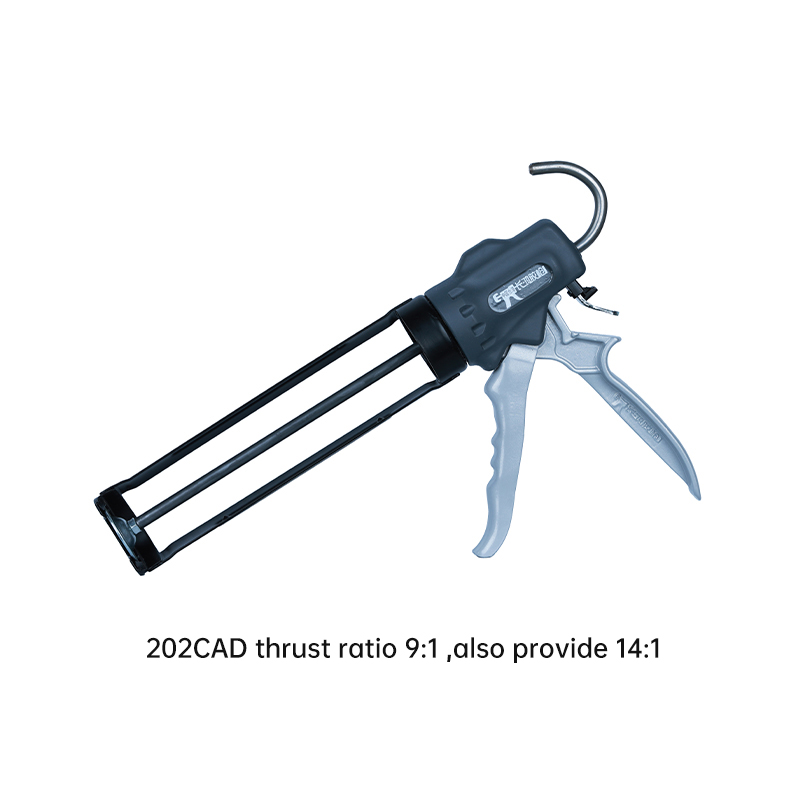
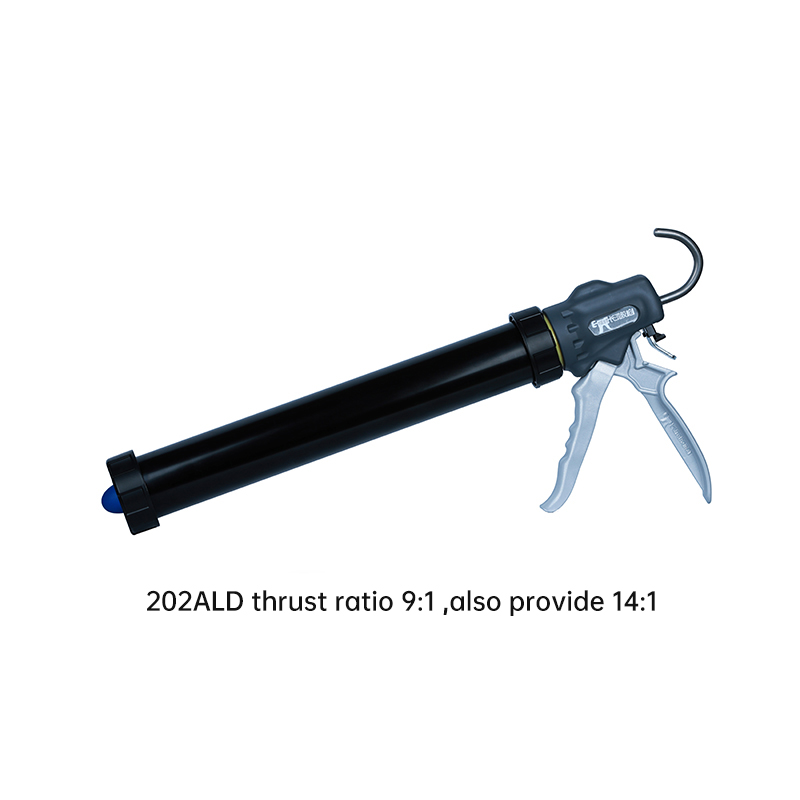
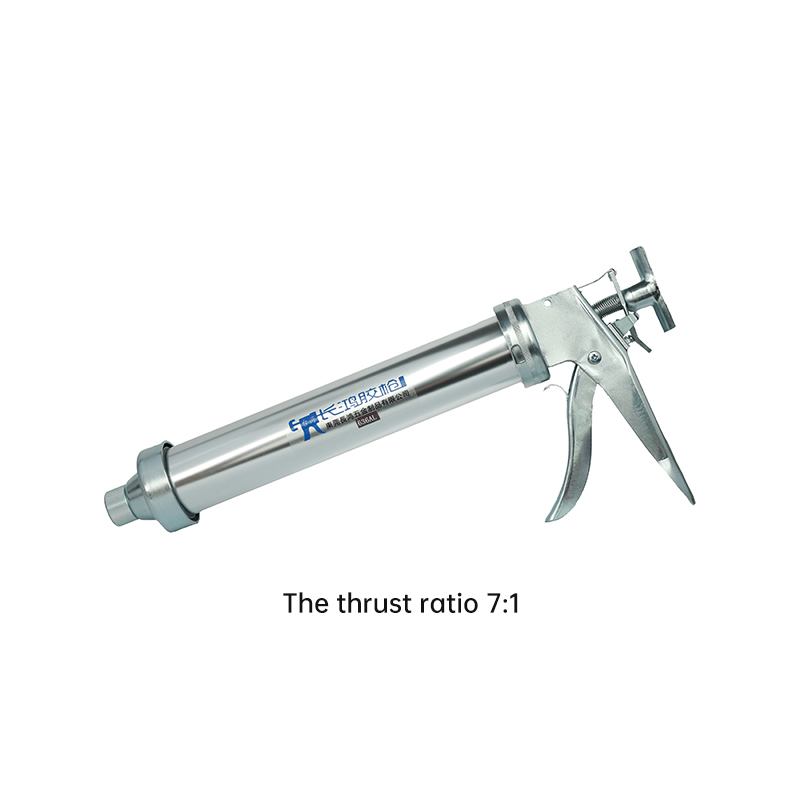
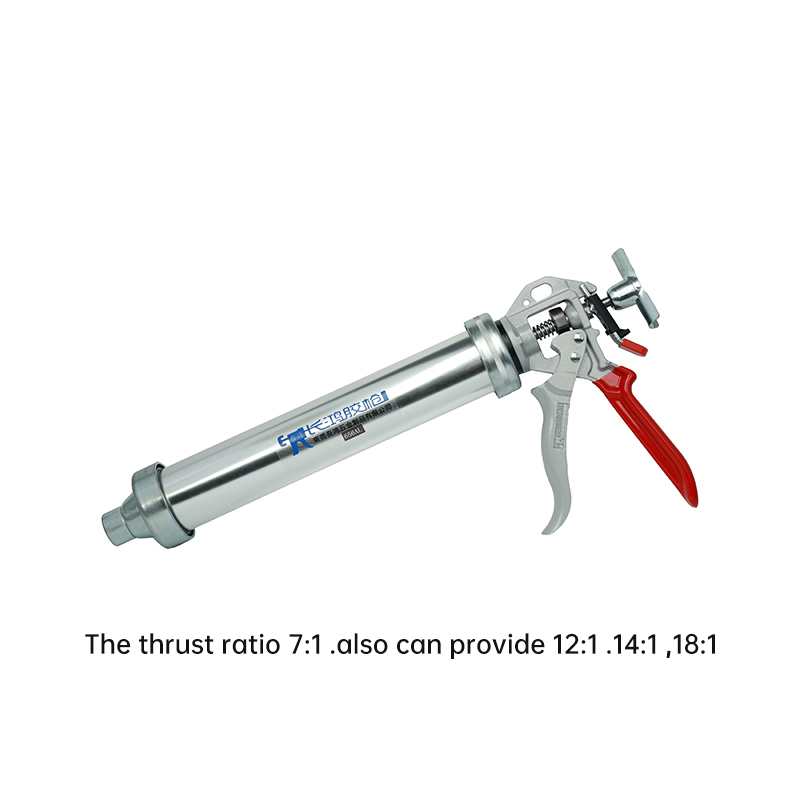
The construction and renovation industries have long grappled with the inefficiencies inherent in traditional sealant application methods, particularly when dealing with large-scale projects or high-volume consumption scenarios. The standard rigid plastic cartridge, while ubiquitous for small residential repairs, often becomes a bottleneck in professional settings due to its limited capacity, excessive waste, and cumbersome replacement process. Enter the sausage cartridge caulking gun, a specialized tool designed to interface with flexible foil packs known as sausages, which has revolutionized the way professionals approach sealing and bonding tasks. This shift from rigid to flexible packaging, facilitated by the specific mechanics of the sausage gun, drives a significant improvement in application efficiency through reduced downtime, minimized material waste, enhanced ergonomic performance, and superior cost-effectiveness, fundamentally altering the workflow for contractors and industrial applicators alike.
The most immediate impact on efficiency stems from the dramatic increase in material capacity per load. Traditional rigid cartridges typically hold around 300 to 400 milliliters of sealant, necessitating frequent stops to swap out empty tubes, a process that interrupts the rhythm of work and accumulates significant non-productive time over the course of a day. In contrast, sausage cartridges often contain 600 milliliters or more of product within a compact, flexible foil casing. When used with a dedicated sausage gun, this larger volume allows an operator to work for extended periods without interruption. The elimination of constant cartridge changes means that a worker can complete longer continuous beads or cover larger surface areas in a single session, directly translating to faster project completion times and higher labor productivity.
Beyond the sheer volume of material, the design of the sausage cartridge system virtually eliminates the residual waste that plagues rigid cartridge systems. In a standard plastic tube, a significant amount of sealant often remains stuck to the inner walls or trapped behind the plunger, unable to be extruded. This unused material represents a direct financial loss and an environmental burden, as the partially filled plastic cartridges must be disposed of. Sausage cartridges, being made of thin, flexible foil, collapse completely as the gun’s plunger advances, pushing out nearly 100% of the contents. This "empty-to-the-last-drop" capability ensures that every gram of purchased material is utilized, reducing the frequency of purchasing new supplies and minimizing the waste stream on job sites, which is both economically and ecologically efficient.
The mechanical operation of a sausage caulking gun also contributes to efficiency through improved ergonomics and reduced user fatigue. Rigid cartridges require a certain amount of force to overcome the friction between the plastic plunger and the tube walls, especially as the sealant viscosity increases or the tube nears emptiness. Sausage guns, however, operate on a different principle where the flexible foil offers negligible resistance to the advancing plate. This results in a smoother, more consistent trigger pull or lever action, requiring less physical effort from the operator. Over the course of a long workday involving thousands of linear feet of sealing, this reduction in hand and arm strain prevents fatigue, allowing workers to maintain a steady pace and high quality of application without needing frequent breaks due to muscle exhaustion.
Furthermore, the logistics and storage efficiency of sausage cartridges offer indirect but substantial benefits to overall project management. Rigid plastic cartridges are bulky and contain a significant amount of non-product material (the plastic shell), which takes up valuable space in transport vehicles and on-site storage areas. Sausage packs are slender, lightweight, and stackable, allowing a contractor to carry a much larger inventory of sealant in the same footprint. This logistical advantage means fewer trips to the supply depot and easier handling of materials in confined spaces like scaffolding or lift buckets. The ability to transport more product with less weight and volume streamlines the supply chain aspect of the job, ensuring that the right materials are always at hand without cluttering the workspace.
The versatility of modern sausage guns also enhances efficiency by accommodating a wide range of high-performance materials that might be difficult to dispense from rigid tubes. Many industrial-grade adhesives, fire-stop sealants, and high-modulus structural glazing compounds are formulated with viscosities that are challenging for standard cartridges. Sausage systems are often engineered to handle these heavier materials with greater ease, utilizing robust drive mechanisms that maintain consistent pressure regardless of the product's thickness. This compatibility allows professionals to switch between different types of high-performance sealants without changing tools or struggling with inconsistent flow, ensuring that the application process remains smooth and predictable even with the most demanding chemical formulations.
In conclusion, the adoption of the sausage cartridge caulking gun represents a strategic upgrade in sealant application technology that addresses multiple facets of operational efficiency. By maximizing material yield, eliminating waste, reducing operator fatigue, optimizing logistics, and handling diverse material viscosities, this tool empowers professionals to work faster, cleaner, and more cost-effectively. As the construction industry continues to prioritize sustainability and productivity, the shift away from rigid cartridges toward flexible sausage systems stands out as a practical and impactful evolution. It transforms the mundane task of applying sealant from a stop-start chore into a streamlined, continuous process, proving that the right tool can make all the difference in achieving professional excellence and operational economy.
The most immediate impact on efficiency stems from the dramatic increase in material capacity per load. Traditional rigid cartridges typically hold around 300 to 400 milliliters of sealant, necessitating frequent stops to swap out empty tubes, a process that interrupts the rhythm of work and accumulates significant non-productive time over the course of a day. In contrast, sausage cartridges often contain 600 milliliters or more of product within a compact, flexible foil casing. When used with a dedicated sausage gun, this larger volume allows an operator to work for extended periods without interruption. The elimination of constant cartridge changes means that a worker can complete longer continuous beads or cover larger surface areas in a single session, directly translating to faster project completion times and higher labor productivity.
Beyond the sheer volume of material, the design of the sausage cartridge system virtually eliminates the residual waste that plagues rigid cartridge systems. In a standard plastic tube, a significant amount of sealant often remains stuck to the inner walls or trapped behind the plunger, unable to be extruded. This unused material represents a direct financial loss and an environmental burden, as the partially filled plastic cartridges must be disposed of. Sausage cartridges, being made of thin, flexible foil, collapse completely as the gun’s plunger advances, pushing out nearly 100% of the contents. This "empty-to-the-last-drop" capability ensures that every gram of purchased material is utilized, reducing the frequency of purchasing new supplies and minimizing the waste stream on job sites, which is both economically and ecologically efficient.
The mechanical operation of a sausage caulking gun also contributes to efficiency through improved ergonomics and reduced user fatigue. Rigid cartridges require a certain amount of force to overcome the friction between the plastic plunger and the tube walls, especially as the sealant viscosity increases or the tube nears emptiness. Sausage guns, however, operate on a different principle where the flexible foil offers negligible resistance to the advancing plate. This results in a smoother, more consistent trigger pull or lever action, requiring less physical effort from the operator. Over the course of a long workday involving thousands of linear feet of sealing, this reduction in hand and arm strain prevents fatigue, allowing workers to maintain a steady pace and high quality of application without needing frequent breaks due to muscle exhaustion.
Furthermore, the logistics and storage efficiency of sausage cartridges offer indirect but substantial benefits to overall project management. Rigid plastic cartridges are bulky and contain a significant amount of non-product material (the plastic shell), which takes up valuable space in transport vehicles and on-site storage areas. Sausage packs are slender, lightweight, and stackable, allowing a contractor to carry a much larger inventory of sealant in the same footprint. This logistical advantage means fewer trips to the supply depot and easier handling of materials in confined spaces like scaffolding or lift buckets. The ability to transport more product with less weight and volume streamlines the supply chain aspect of the job, ensuring that the right materials are always at hand without cluttering the workspace.
The versatility of modern sausage guns also enhances efficiency by accommodating a wide range of high-performance materials that might be difficult to dispense from rigid tubes. Many industrial-grade adhesives, fire-stop sealants, and high-modulus structural glazing compounds are formulated with viscosities that are challenging for standard cartridges. Sausage systems are often engineered to handle these heavier materials with greater ease, utilizing robust drive mechanisms that maintain consistent pressure regardless of the product's thickness. This compatibility allows professionals to switch between different types of high-performance sealants without changing tools or struggling with inconsistent flow, ensuring that the application process remains smooth and predictable even with the most demanding chemical formulations.
In conclusion, the adoption of the sausage cartridge caulking gun represents a strategic upgrade in sealant application technology that addresses multiple facets of operational efficiency. By maximizing material yield, eliminating waste, reducing operator fatigue, optimizing logistics, and handling diverse material viscosities, this tool empowers professionals to work faster, cleaner, and more cost-effectively. As the construction industry continues to prioritize sustainability and productivity, the shift away from rigid cartridges toward flexible sausage systems stands out as a practical and impactful evolution. It transforms the mundane task of applying sealant from a stop-start chore into a streamlined, continuous process, proving that the right tool can make all the difference in achieving professional excellence and operational economy.